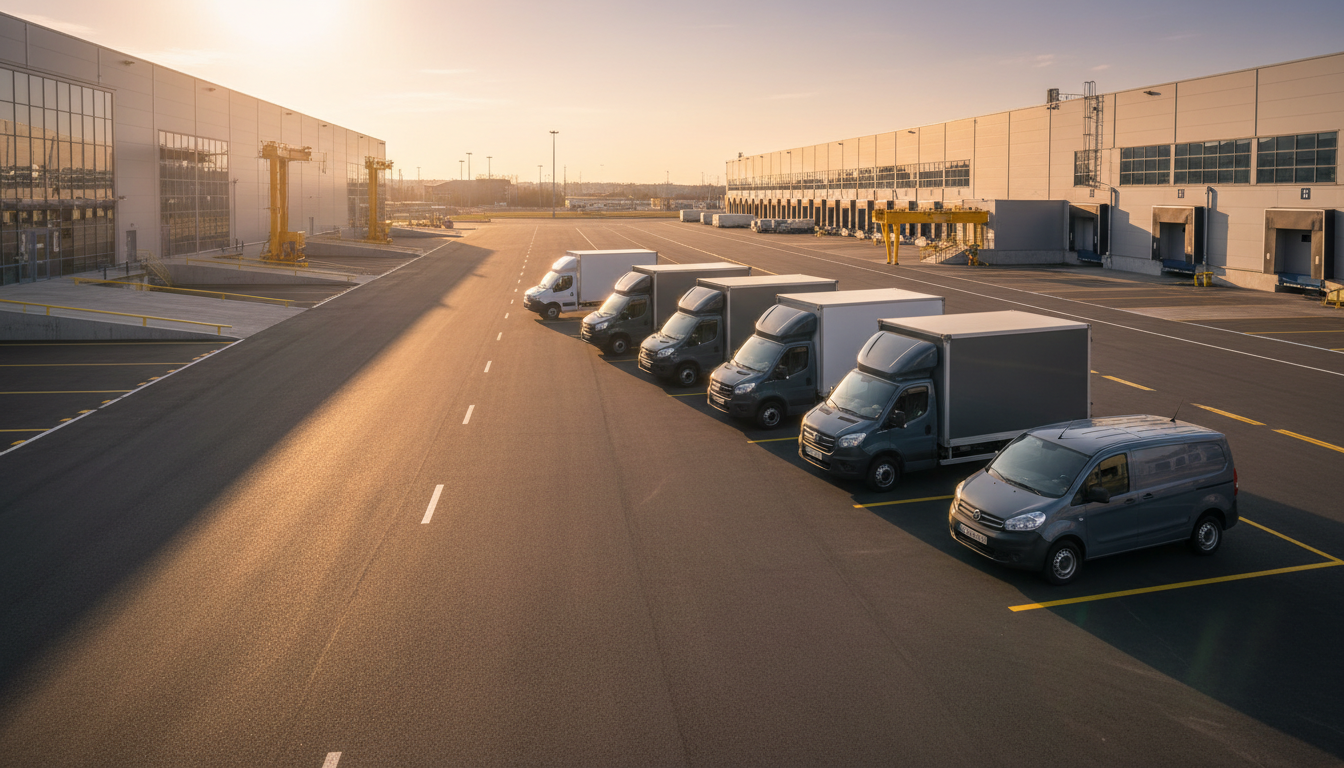
Expert Insights: Navigating Freight Management in a Digital World
T4
Understanding the Digital Shift in Freight Management
In today's fast-paced world, freight management is undergoing a significant transformation. The integration of digital technology is not just a trend; it's a necessity for staying competitive. Companies are leveraging advanced tools to streamline operations, enhance efficiency, and reduce costs.
From automated tracking systems to cloud-based logistics platforms, digital solutions are reshaping how businesses manage their freight operations. These technologies are helping companies adapt to the ever-changing demands of the supply chain landscape.
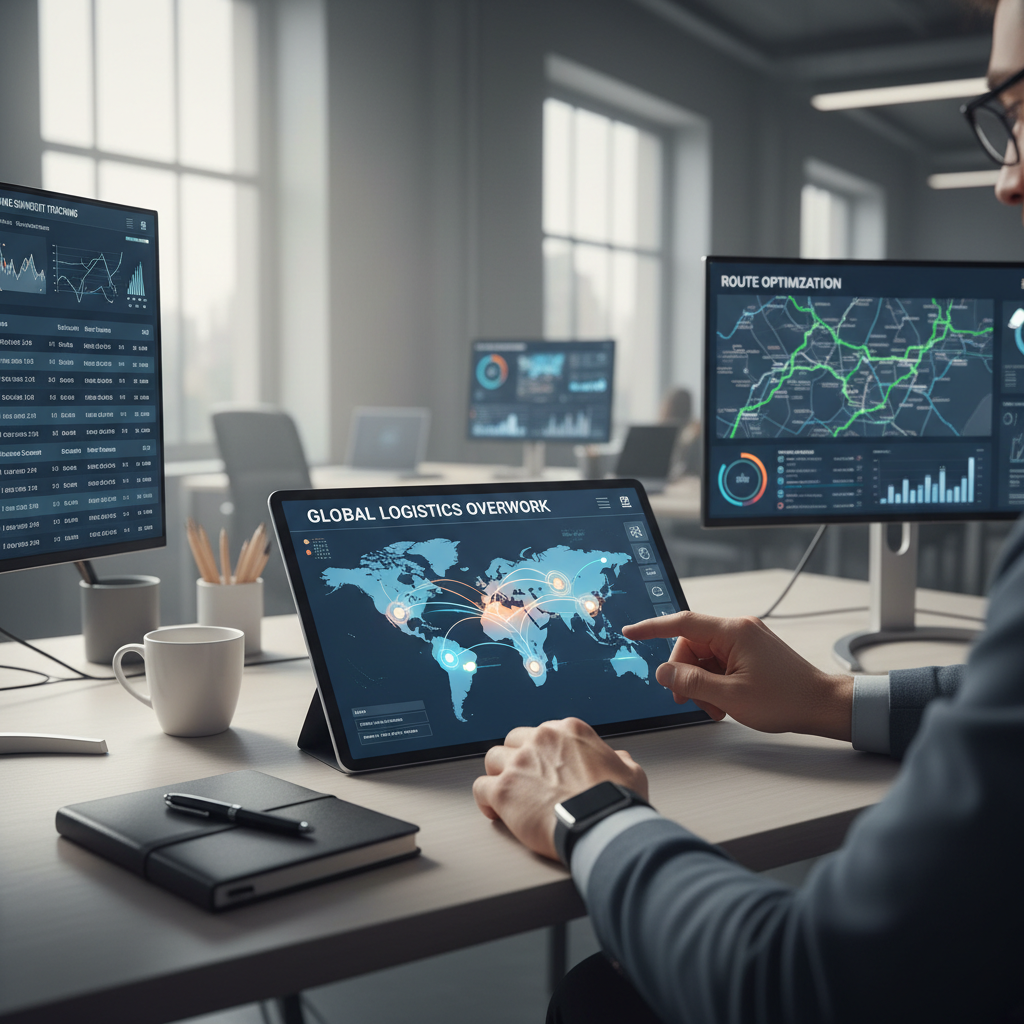
The Role of Data Analytics
Data analytics is at the heart of the digital revolution in freight management. By harnessing big data, companies can gain invaluable insights into their operations. This enables them to make informed decisions, anticipate potential disruptions, and optimize routes and delivery schedules.
Advanced analytics tools can also help identify patterns and trends, allowing businesses to improve their forecasting accuracy. This not only reduces operational risks but also enhances customer satisfaction by ensuring timely deliveries.

Automation and AI in Freight Management
Automation and artificial intelligence (AI) are revolutionizing the logistics industry. Automated systems can handle tasks such as scheduling, tracking, and reporting, freeing up human resources for more strategic roles. AI-powered algorithms can predict demand, optimize inventory levels, and even suggest the best carriers for specific shipments.
By reducing manual intervention, automation minimizes errors and increases efficiency. This technological shift is crucial for companies aiming to meet the high expectations of modern consumers.
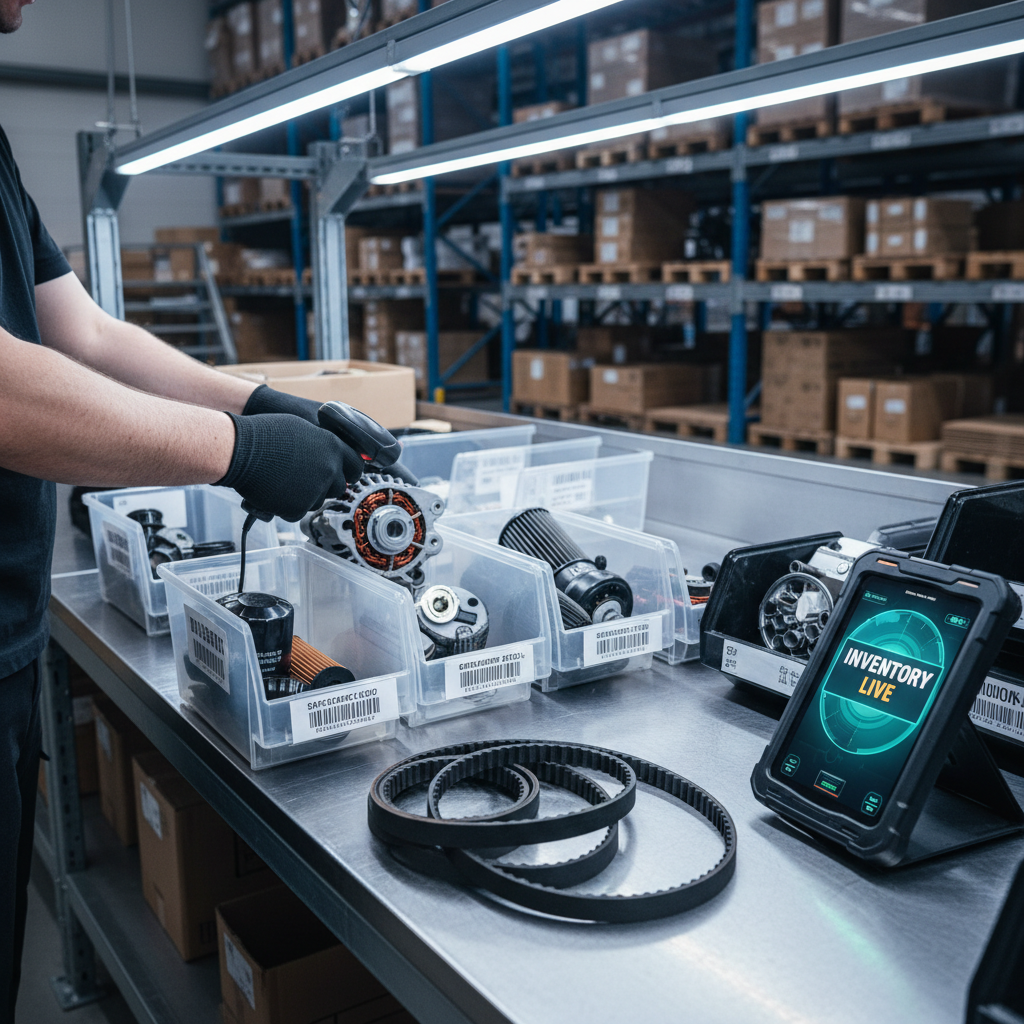
Challenges and Opportunities
While the benefits of digital transformation in freight management are clear, there are challenges as well. Implementing new technologies requires significant investment and a shift in organizational culture. Companies must also address concerns related to data security and privacy.
However, the opportunities far outweigh the challenges. Businesses that embrace digital tools can achieve a competitive edge, improve their operational efficiency, and enhance customer experiences.
Future Trends to Watch
The future of freight management is undoubtedly digital. Emerging trends like the Internet of Things (IoT), blockchain, and autonomous vehicles are set to further revolutionize the industry. Companies that stay ahead of these trends will be better positioned to capitalize on new opportunities.
As technology continues to evolve, freight management will become more integrated and innovative, paving the way for a more connected and efficient supply chain ecosystem.