
Seasonal Logistics Challenges in Montana and How to Overcome Them
T4
Understanding Montana's Seasonal Logistics Challenges
Montana's unique geography and climate present distinct challenges for logistics, especially during the changing seasons. From harsh winters to unpredictable spring weather, businesses must navigate a range of obstacles to ensure efficient operations. Understanding these challenges is the first step in overcoming them.
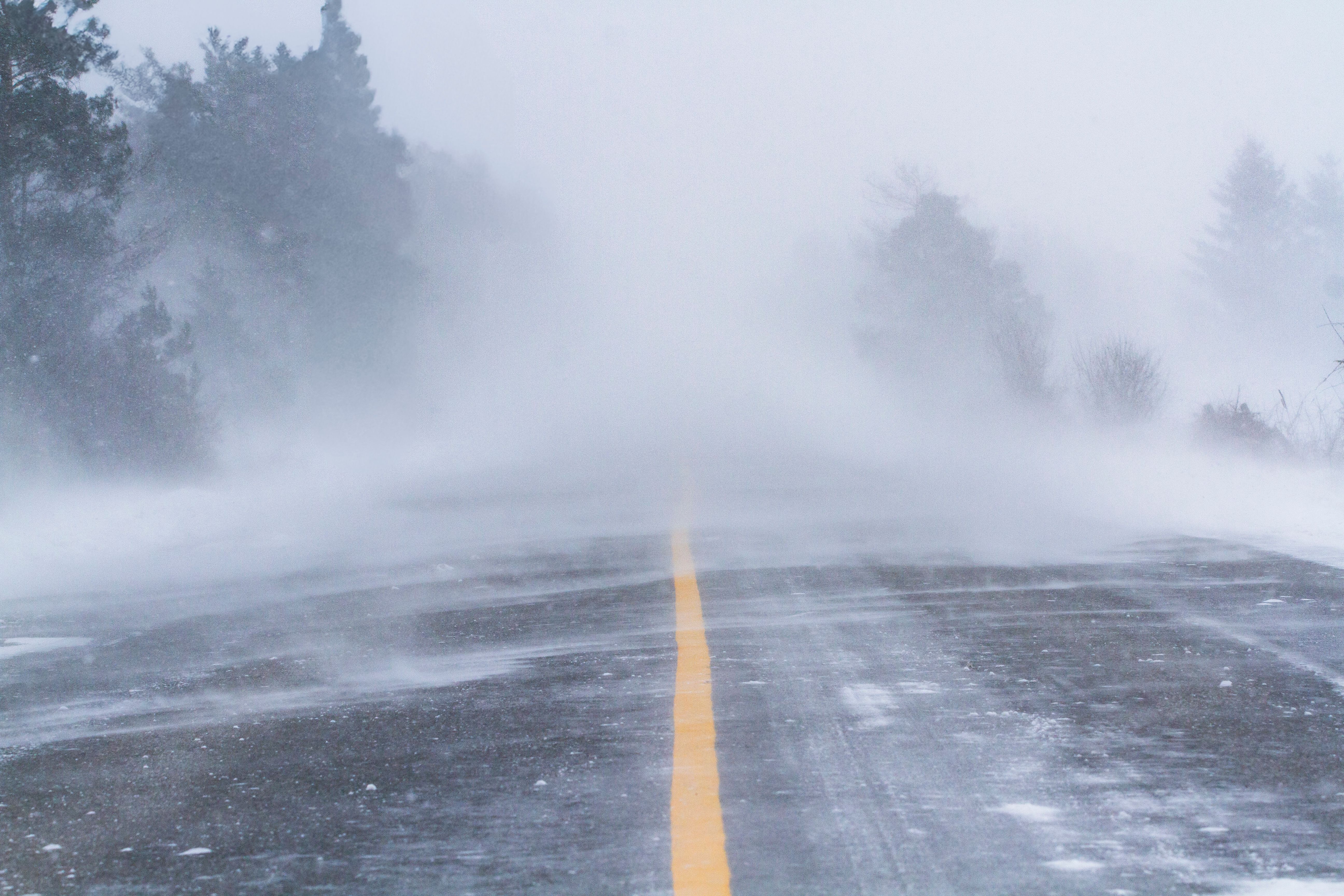
Winter Weather and Its Impact
The winter months in Montana bring severe snowstorms and icy conditions, making transportation difficult. Snow-covered roads can lead to delays and increase the risk of accidents. Businesses need to account for these potential disruptions in their logistics planning.
To mitigate these issues, companies can invest in vehicles equipped with snow tires and chains. Regularly updating drivers on weather conditions and providing them with routes less affected by snow can also be beneficial. Additionally, partnering with local snow removal services ensures timely clearing of critical pathways.
Spring Thaw and Infrastructure Concerns
As winter gives way to spring, the thaw can lead to a different set of challenges. Melting snow and rain can cause flooding and damage infrastructure, such as roads and bridges, impacting delivery routes. This can result in unexpected delays and increased costs.

To overcome these hurdles, businesses should monitor weather forecasts closely and plan alternate routes in advance. Engaging with local authorities to understand road conditions and closures can also help in making informed decisions. Investment in infrastructure improvements is another long-term strategy to consider.
Adapting to Seasonal Demand Fluctuations
Seasonal changes often lead to fluctuations in demand for certain products. For example, winter may see a rise in demand for heating supplies, while summer might require more agricultural equipment. Businesses must be agile in adjusting their inventory and supply chain strategies accordingly.
Utilizing data analytics to predict demand trends can aid in making timely adjustments. Additionally, fostering strong relationships with suppliers allows for quicker adaptation to changing needs. Flexible warehousing solutions can also help manage inventory effectively.

Leveraging Technology for Better Logistics Management
Technology plays a crucial role in overcoming seasonal logistics challenges. Implementing advanced tracking systems can offer real-time visibility into shipments, helping businesses respond promptly to unforeseen issues. Route optimization software can further enhance efficiency by suggesting the best paths based on current conditions.
Moreover, digital communication tools enable seamless coordination between different stakeholders, ensuring everyone is on the same page. Investing in technology not only improves current operations but also prepares businesses for future challenges.
Conclusion
While Montana's seasonal logistics challenges are significant, they are not insurmountable. By understanding the specific issues posed by each season and adopting proactive strategies, businesses can ensure smooth and efficient operations throughout the year. Embracing technology, planning for demand fluctuations, and maintaining robust infrastructure are key to overcoming these challenges and thriving in Montana's dynamic environment.