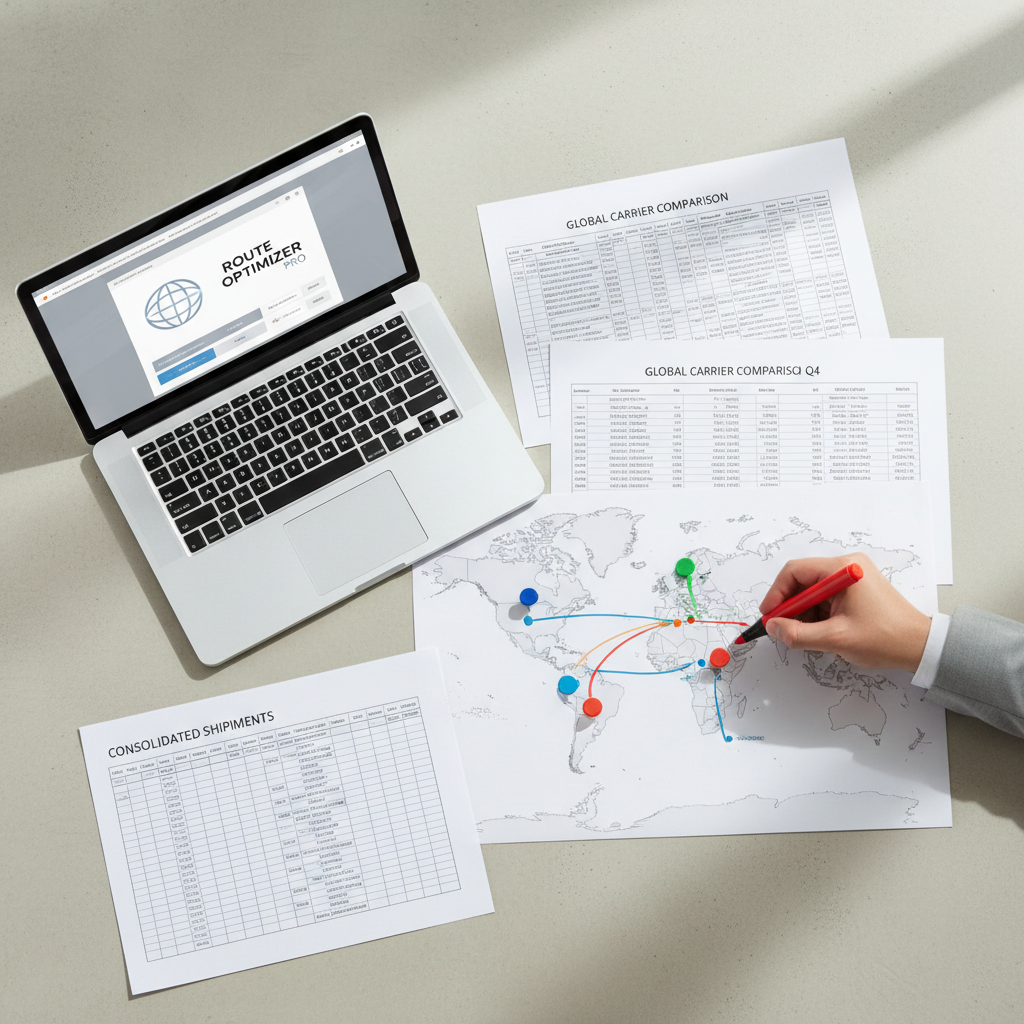
The Impact of Montana's Weather on Warehousing and Distribution Services
T4
Understanding Montana's Weather
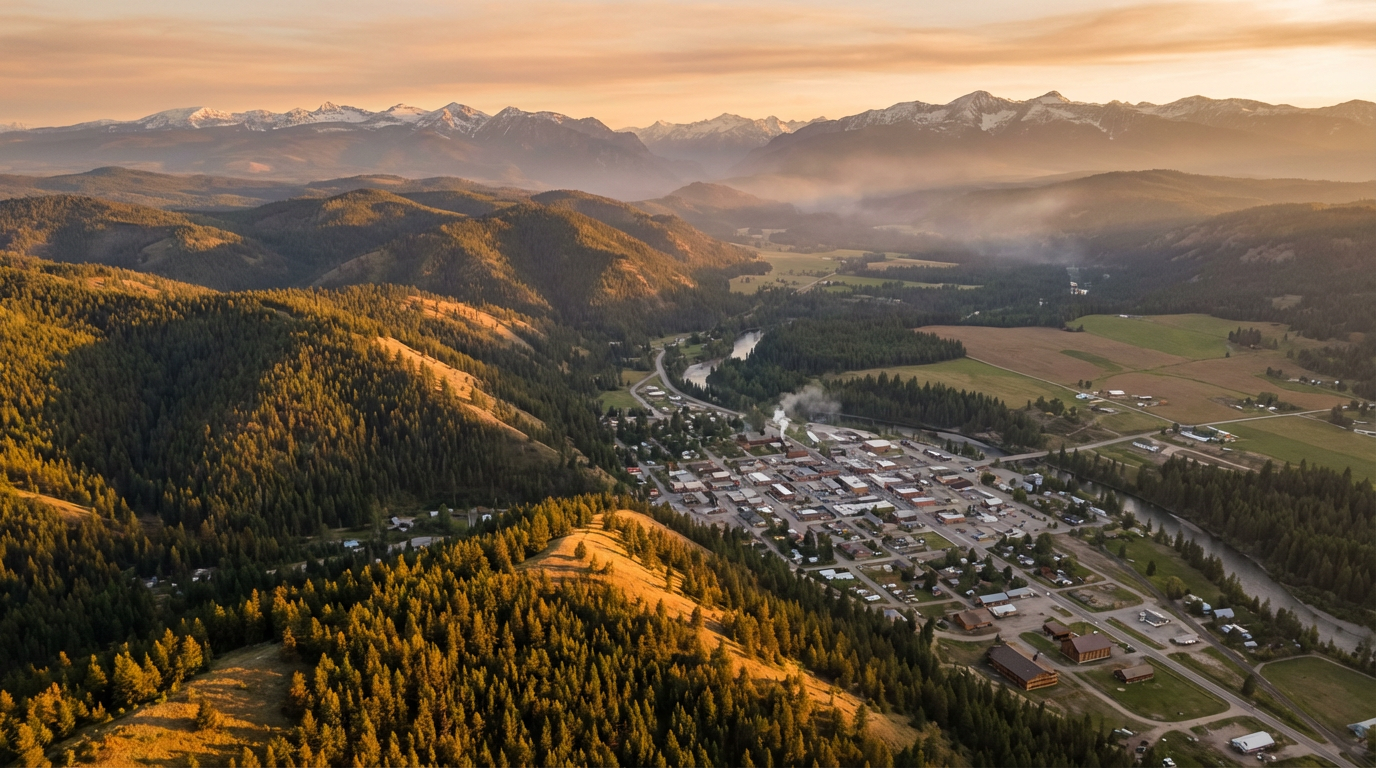
Montana is known for its breathtaking landscapes and diverse climate. However, the same weather that appeals to nature enthusiasts can pose challenges for warehousing and distribution services. With a mix of harsh winters, unpredictable storms, and varying temperatures, businesses must be prepared to adapt to these conditions to ensure smooth operations.
Adapting to the local climate is essential for companies that rely on timely deliveries and efficient storage solutions. The impact of weather on logistics cannot be underestimated, and understanding these challenges is crucial for businesses operating in Montana.
Winter Challenges
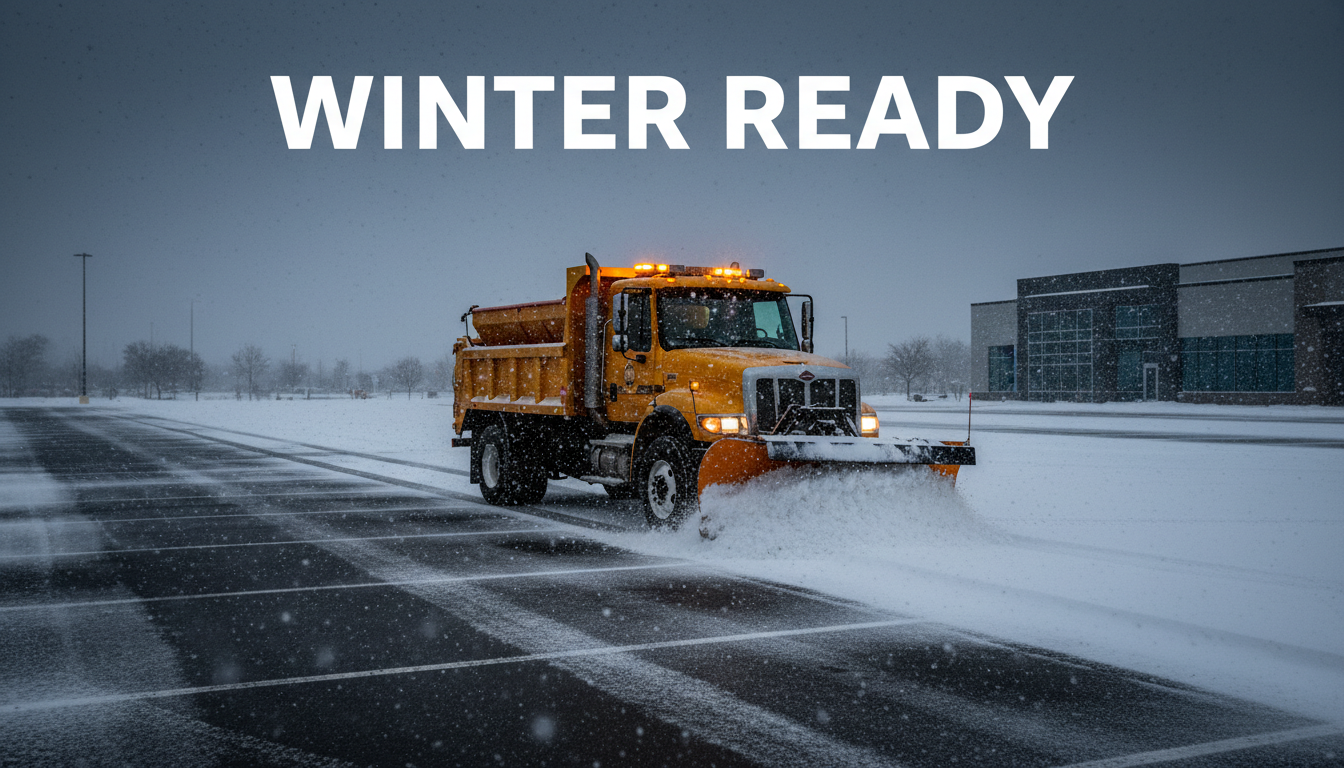
Montana's winters can be particularly harsh, with heavy snowfall and sub-zero temperatures. These conditions can lead to road closures and transportation delays, impacting the supply chain. Warehousing facilities need to be equipped to handle increased heating demands and potential disruptions in power supply.
To mitigate these challenges, companies often invest in advanced heating systems and backup generators. Additionally, maintaining clear communication with transportation providers can help manage expectations and minimize disruptions during adverse weather conditions.
Impact on Transportation
Snow and ice can make roads treacherous, affecting the timely movement of goods. Delayed shipments can lead to inventory shortages and customer dissatisfaction. Businesses must plan for these scenarios and incorporate flexibility into their logistics strategies.
- Implementing real-time tracking systems
- Establishing contingency plans
- Partnering with reliable logistics providers
Adapting to Seasonal Variability
Montana experiences significant temperature fluctuations between seasons. Summer can bring extreme heat, while spring and fall often see unpredictable storms. These variations require warehousing facilities to be versatile and resilient.
Temperature-sensitive products demand specialized storage solutions. Warehouses equipped with climate control systems can better preserve product quality, reducing the risk of spoilage and loss.
Storm Preparedness
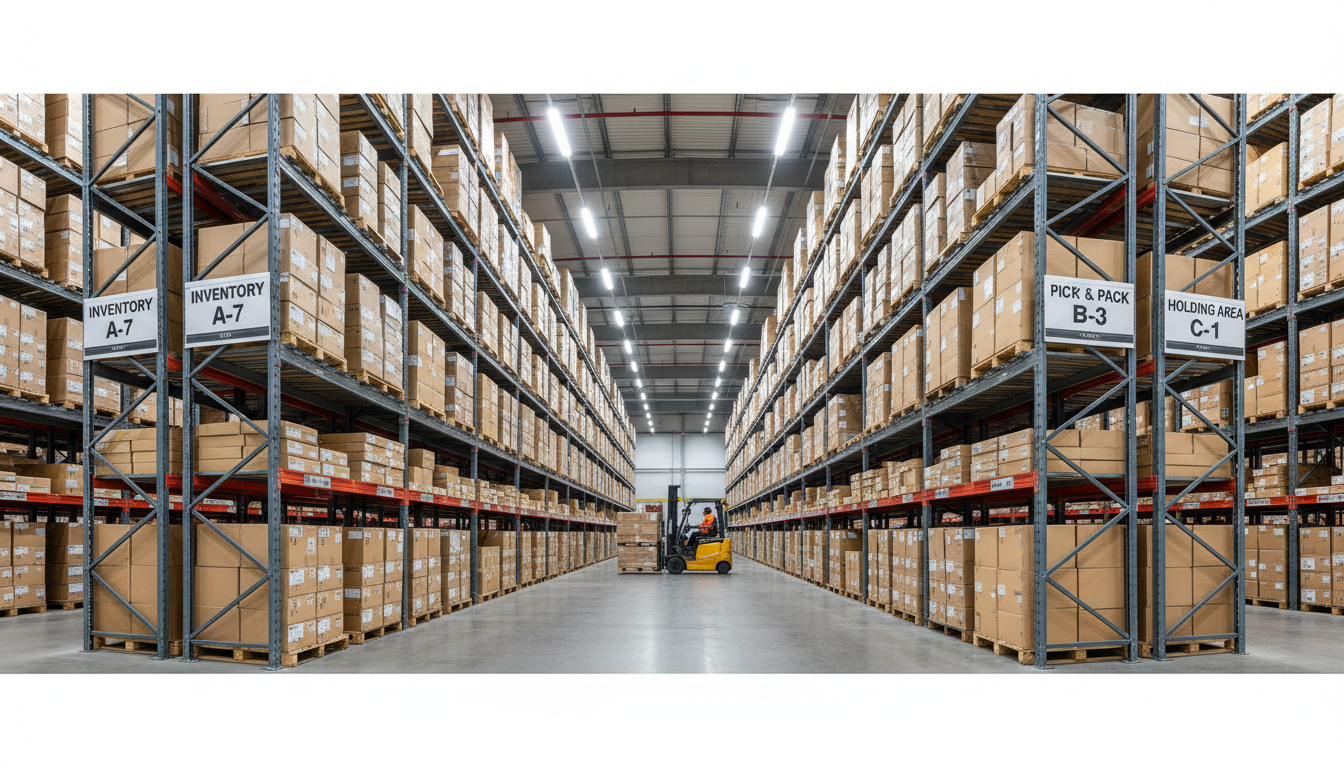
Storms in Montana can be sudden and severe, sometimes causing flooding or damaging infrastructure. Warehouses should have robust structures to withstand high winds and heavy rainfall. Regular inspections and maintenance are essential to ensure the integrity of these facilities.
- Conduct regular structural assessments
- Invest in flood prevention measures
- Develop comprehensive emergency response plans
Conclusion
The impact of Montana's weather on warehousing and distribution services is significant and requires careful planning and adaptation. By investing in technology, infrastructure, and strategic partnerships, businesses can navigate these challenges effectively. Ultimately, resilience and preparedness are key to maintaining efficient operations in this dynamic environment.