
The Impact of Regional Weather on Freight Forwarding Services in Montana
T4
Understanding Montana's Unique Weather Patterns
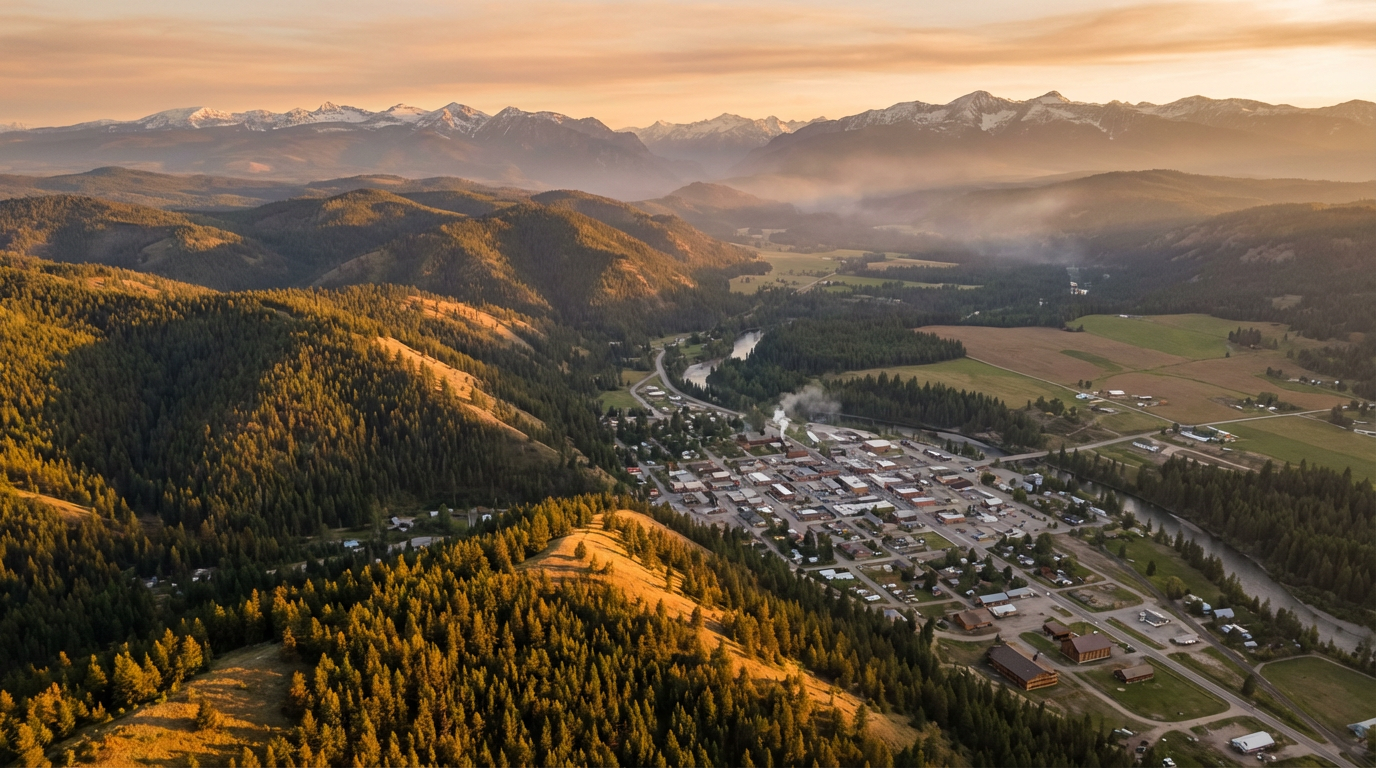
Montana is renowned for its breathtaking landscapes and diverse weather patterns. These patterns, ranging from harsh winters to warm summers, can significantly impact freight forwarding services. Understanding these weather conditions is crucial for logistics companies operating in the region.
Montana experiences a wide range of weather phenomena due to its geographical diversity. From heavy snowfall in the mountainous regions to strong winds in the plains, the state presents unique challenges and opportunities for freight forwarders.
The Challenges of Winter Freight Forwarding
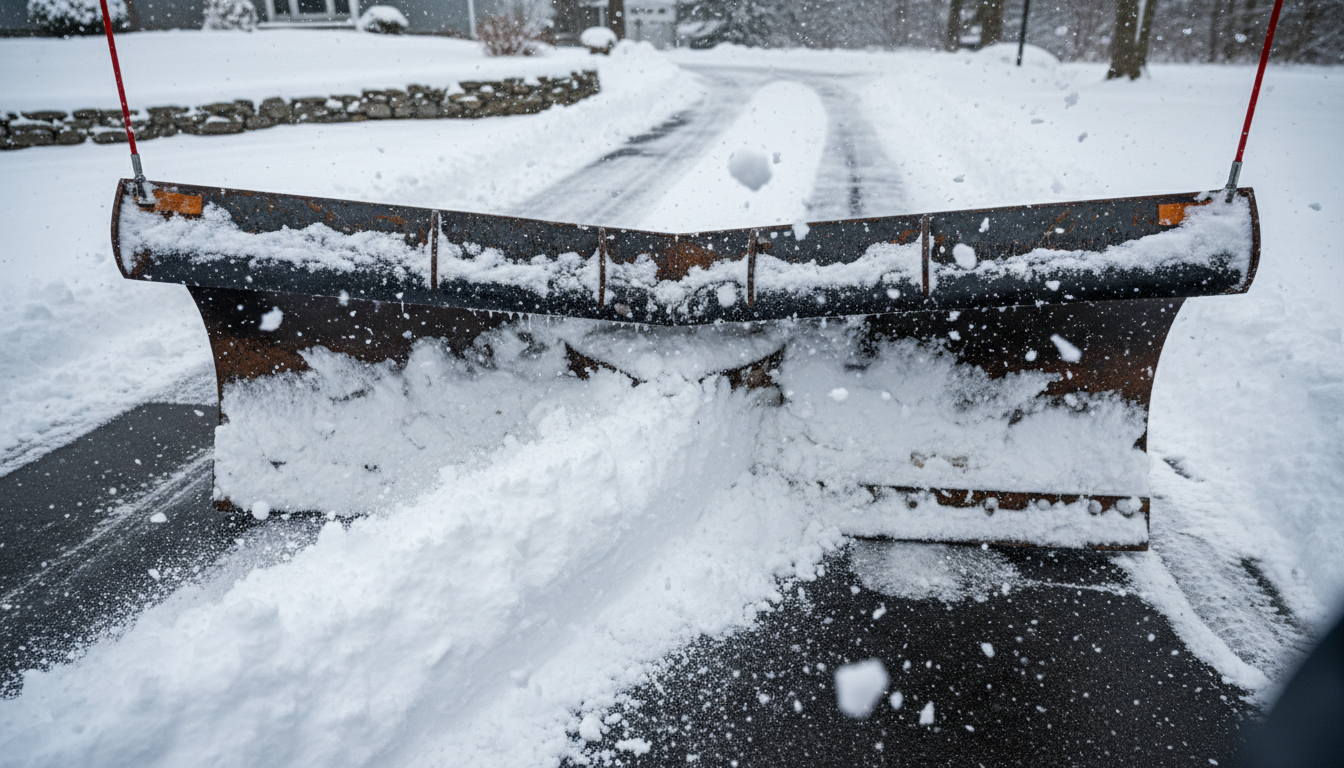
Winter in Montana is particularly challenging for freight forwarding. Heavy snowfall and icy roads can lead to hazardous driving conditions, causing delays and increasing the risk of accidents. Freight companies must prepare for these conditions by equipping their fleets with necessary tools such as snow chains and ensuring drivers are trained for winter driving.
Additionally, the cold temperatures can affect the integrity of certain goods, especially perishables. Companies need to invest in temperature-controlled transportation to maintain product quality during transit.
Adapting to Sudden Weather Changes
Montana's weather can be unpredictable, with sudden changes that can disrupt planned routes. Freight forwarders must incorporate flexibility into their operations, allowing for quick adjustments to routing and scheduling. Implementing real-time weather monitoring systems can provide timely updates and help in making informed decisions.
Spring Thaw and Road Conditions
As winter transitions into spring, the thawing snow can lead to muddy and impassable roads, especially in rural areas. This melting process can cause road restrictions, necessitating alternate routes for freight services. Understanding these seasonal changes is critical for maintaining efficiency in deliveries.
Freight companies must communicate effectively with local authorities to stay informed about road conditions and any potential restrictions. This proactive approach helps in minimizing disruptions and delays.
Opportunities in Warmer Months
Summer and fall offer more favorable conditions for freight forwarding in Montana. With clearer roads and more predictable weather, these months present opportunities for optimizing routes and increasing delivery speeds. Companies can leverage this period to recover from any delays experienced during the harsher seasons.

Leveraging Technology for Weather Adaptation
Technology plays a pivotal role in helping freight forwarders adapt to Montana's regional weather conditions. From GPS systems that provide real-time traffic updates to advanced weather forecasting tools, technology enables better planning and execution of freight operations.
Investment in these technological solutions not only enhances the efficiency of freight forwarding services but also ensures the safety of drivers and the integrity of goods being transported.
Conclusion: Strategic Planning for Success
In conclusion, the impact of regional weather on freight forwarding services in Montana is significant and multifaceted. By understanding the unique challenges and opportunities presented by the state's weather patterns, freight companies can develop strategic plans to mitigate risks and enhance operational efficiency.
With the right combination of technology, training, and proactive planning, freight forwarders can successfully navigate Montana's diverse weather conditions and continue to provide reliable services to their clients.