
Top Tips for Optimizing Supply Chain Management in Montana
T4
Understanding the Unique Landscape
Montana's vast landscapes and rural areas present unique challenges and opportunities for supply chain management. With its expansive geography and diverse industries, optimizing supply chains here requires a tailored approach. Effective strategies consider not only logistics but also local partnerships and technology integration.

Leverage Local Partnerships
Building strong relationships with local suppliers and distributors can significantly enhance supply chain efficiency. By partnering with local businesses, companies can reduce transportation costs and improve delivery times. These partnerships also foster a sense of community and support the local economy.
Engage Local Experts
Utilizing local expertise can provide valuable insights into the region's unique logistical challenges. Local consultants can offer advice on transportation routes, seasonal changes, and other factors that might impact supply chain operations in Montana.
Integrate Advanced Technology
Implementing advanced technology is crucial for optimizing supply chains. Technologies such as IoT devices, GPS tracking, and automated inventory systems can provide real-time data and insights. This information helps in making informed decisions, reducing waste, and improving efficiency.

Utilize Data Analytics
Data analytics is a powerful tool for identifying inefficiencies and predicting future trends. By analyzing data, companies can optimize routes, manage inventory levels, and forecast demand more accurately. This proactive approach helps in minimizing disruptions and maximizing productivity.
Focus on Sustainability
Incorporating sustainability into supply chain management is becoming increasingly important. By adopting eco-friendly practices, such as reducing emissions and optimizing resource use, businesses can not only improve their environmental impact but also reduce costs.
Implement Green Logistics
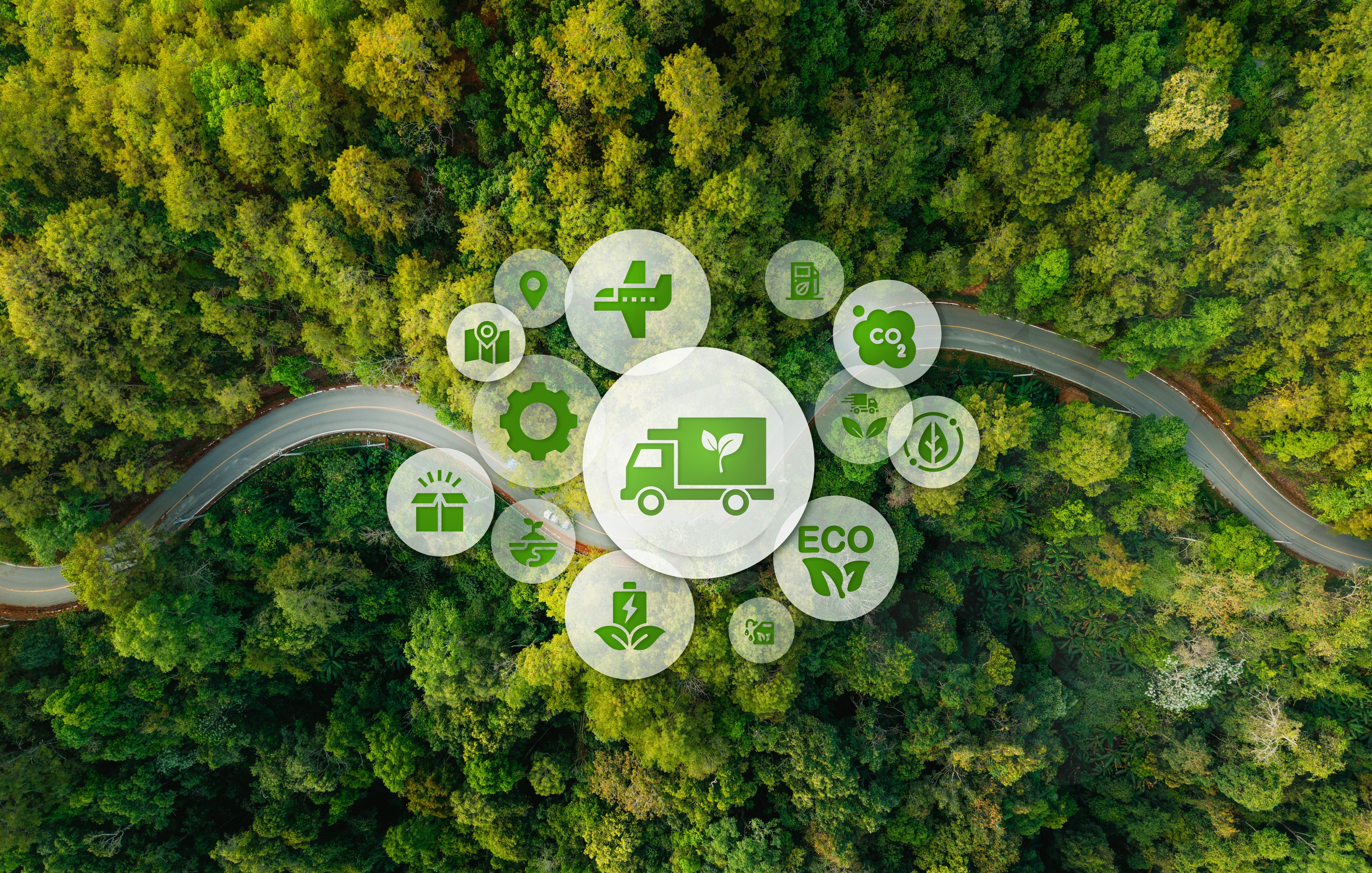
Green logistics involves optimizing logistics processes to minimize environmental impact. This can include using alternative fuels, improving vehicle efficiency, and optimizing delivery routes to reduce carbon footprints. Sustainable practices are not just beneficial for the environment but also for brand reputation.
Enhance Risk Management
Supply chains in Montana can be vulnerable to various risks, including weather-related disruptions and transportation challenges. Developing a robust risk management strategy is essential. This involves identifying potential risks, creating contingency plans, and maintaining flexibility in operations.
Develop Contingency Plans
Having contingency plans in place ensures that businesses can quickly adapt to unexpected disruptions. This might include alternative suppliers, backup transportation routes, and flexible inventory strategies. Being prepared helps maintain continuity and reliability in supply chain operations.