Understanding the Logistics Industry: Myths vs. Reality
T4
Introduction to the Logistics Industry
The logistics industry is a complex and essential component of the global economy, responsible for the efficient movement of goods and services. Despite its crucial role, many misconceptions surround this field. In this blog post, we will explore common myths and reveal the realities of the logistics industry.

Myth 1: Logistics Is Just About Transportation
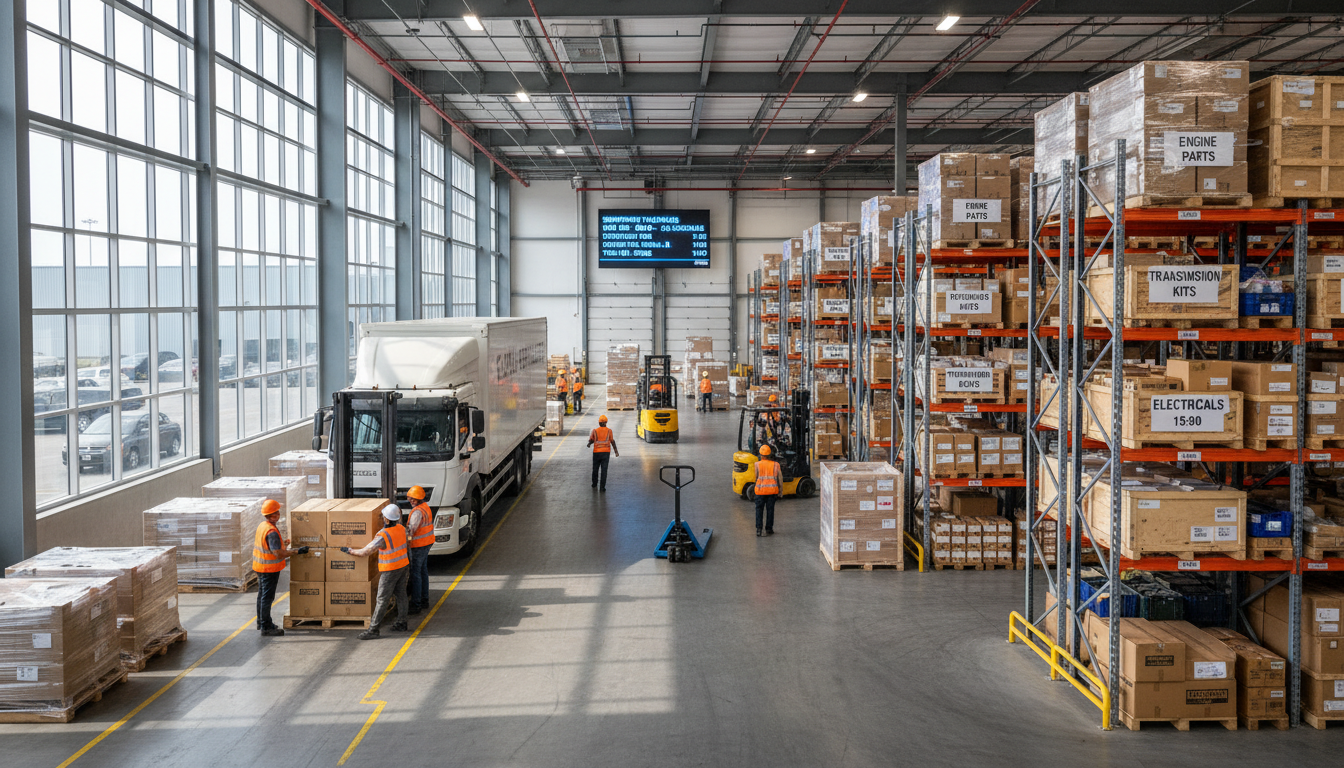
Many people believe that logistics is solely about transporting goods from one place to another. While transportation is a significant aspect, logistics encompasses a broader range of activities. These include inventory management, warehousing, order fulfillment, and supply chain coordination.
Without these additional processes, the supply chain would be inefficient and chaotic. Effective logistics requires careful planning and coordination to ensure that goods are delivered on time, in the right condition, and at the lowest cost possible.
Reality: Technology Drives Logistics
Contrary to the belief that logistics is a low-tech industry, modern logistics relies heavily on technology. Advanced systems such as warehouse management software, GPS tracking, and automated sorting are integral to streamlining operations. These technologies enhance efficiency, reduce costs, and improve customer satisfaction.

Myth 2: Logistics Is Simple and Uncomplicated
Another common misconception is that logistics is straightforward and involves little complexity. In reality, logistics requires intricate planning and problem-solving skills. Professionals in this field must navigate various challenges, such as fluctuating fuel prices, regulatory changes, and geopolitical issues.
Logistics managers must be adept at quick decision-making and strategic thinking to overcome these obstacles and maintain a seamless flow of goods.
Reality: Sustainability Is a Priority
As environmental concerns grow, the logistics industry is actively working to reduce its carbon footprint. Companies are investing in greener technologies, optimizing routes for fuel efficiency, and implementing sustainable practices throughout the supply chain.
These efforts not only contribute to a healthier planet but also enhance the industry's reputation and appeal to eco-conscious consumers.
Myth 3: Logistics Jobs Are Low-Skilled
There is a stereotype that logistics jobs require minimal skills and offer limited career growth. However, the industry offers a wide range of opportunities for skilled professionals. Positions such as supply chain analysts, logistics managers, and operations directors demand a high level of expertise and offer competitive salaries.
Continuous learning and development are also encouraged, providing employees with pathways to advance their careers.
Conclusion: Debunking Myths for a Clearer Perspective
Understanding the realities of the logistics industry helps dispel myths and highlights its vital role in global commerce. From technology integration to sustainability initiatives, logistics is far more complex and dynamic than many realize. By acknowledging these factors, businesses and consumers alike can appreciate the industry's contributions and potential for innovation.